Panic attacks can feel overwhelming and frightening, often arriving without warning and leaving a person feeling helpless. Rapid heartbeat, shortness of breath, dizziness, and intense fear are common symptoms that disrupt daily life. In recent years, yoga for panic attacks has emerged as a natural and effective way to manage these symptoms. Yoga helps calm the nervous system, slow racing thoughts, and bring the mind back to a state of balance. Unlike temporary solutions, yoga works at the root level, helping the body and mind respond more calmly to stress triggers.
Understanding Panic Attacks and Their Impact on Daily Life
Panic attacks are more than just moments of stress. They can deeply affect confidence, routine, and emotional well-being.
Panic attacks often occur due to chronic stress, unresolved anxiety, emotional overload, or an overactive nervous system. Many people begin to avoid social situations, travel, or even work because of the fear of experiencing another attack. Over time, this fear cycle increases anxiety and reduces quality of life. Managing panic attacks requires a holistic approach that addresses both mental and physical responses to stress.
Yoga for Panic Attacks: How It Helps Calm the Mind and Body
Yoga for panic attacks focuses on calming the nervous system, regulating breathing, and grounding the mind in the present moment.
Yoga activates the parasympathetic nervous system, also known as the “rest and digest” system. This counters the fight-or-flight response that triggers panic attacks. Through gentle movements, controlled breathing, and awareness, yoga helps reduce heart rate, relax muscles, and slow down racing thoughts.
Connection Between Breath and Panic
One of the main triggers during a panic attack is shallow or rapid breathing. Yoga teaches slow, deep breathing patterns that signal safety to the brain and reduce panic intensity.
Why Yoga Is a Safe and Natural Approach for Panic Attacks
Unlike medication, yoga does not suppress symptoms temporarily. It helps build long-term emotional resilience.
No Side Effects and Long-Term Benefits
Yoga is a safe practice when done correctly and consistently. It improves emotional regulation, stress tolerance, and self-awareness, which are essential for panic attack management.
Builds Mind-Body Awareness
With regular practice, individuals learn to recognize early signs of anxiety and respond calmly instead of panicking.
Best Yoga Practices That Support Panic Attack Recovery
Certain yoga techniques are especially effective in managing panic symptoms.
Gentle Yoga Poses for Anxiety Relief
Slow and grounding poses help release tension from the body and calm the nervous system. These poses encourage stillness and relaxation rather than physical exertion.
Breathing Techniques for Panic Control
Controlled breathing practices help stabilize oxygen flow and calm the mind during moments of anxiety. Regular practice makes it easier to regain control during stressful situations.
Yoga for Panic Attacks and Anxiety Disorders
Panic attacks often exist alongside generalized anxiety or chronic stress.
Reducing Anxiety Through Regular Yoga
Yoga helps lower cortisol levels and improves emotional balance. This reduces the frequency and intensity of panic attacks over time.
Emotional Stability and Mental Clarity
Yoga encourages mindfulness, helping individuals observe thoughts without fear or judgment. This awareness reduces panic triggers.
Practicing Yoga for Panic Attacks at Home
Home practice offers comfort, privacy, and consistency, which are crucial for mental healing.
Creating a Calm Practice Environment
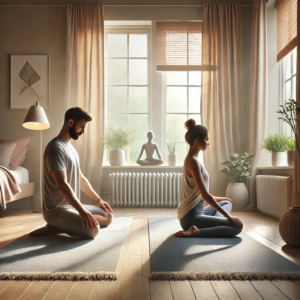
Choose a quiet, clutter-free space with minimal distractions. Practicing yoga in a familiar environment increases relaxation and confidence.
Importance of Guided Practice
Guided sessions ensure correct breathing, posture, and pace. This is especially important for those dealing with panic attacks, as incorrect practice can increase anxiety.
Building a Daily Routine Using Yoga for Panic Attacks
Consistency is key when using yoga as a mental health support tool.
Best Time to Practice Yoga
Morning and evening are ideal times, as the mind is naturally more receptive to calming practices during these hours.
Combining Yoga With Lifestyle Changes
Adequate sleep, balanced nutrition, reduced caffeine, and limited screen time enhance the effects of yoga for panic attacks.
Long-Term Benefits of Yoga for Panic Attacks
Yoga does not just manage panic attacks; it transforms mental health over time.
Regular yoga practice improves emotional strength, patience, and self-confidence. Individuals experience better sleep, improved focus, and a greater sense of control over their emotions. Over time, panic attacks become less frequent and less intense, allowing individuals to live freely without constant fear.
Conclusion: Regain Inner Calm With Yoga for Panic Attacks
Living with panic attacks can feel exhausting, but recovery is possible with the right approach. Yoga for panic attacks offers a natural, safe, and sustainable way to calm the mind, regulate emotions, and rebuild confidence. By practicing yoga regularly, individuals learn to respond to stress with awareness instead of fear. Yoga empowers you to reconnect with your breath, body, and inner strength—helping you regain control and peace in everyday life.
Call to Action
Start your journey toward calmness and emotional balance with guided yoga sessions designed for panic attack relief. Call / WhatsApp: 91 63958 77054
Frequently Asked Questions (FAQs)
Yoga asanas for mind relaxation are gentle yoga postures combined with controlled breathing that help calm the nervous system, reduce stress, and improve mental clarity. These asanas focus on relaxing the mind rather than intense physical movement.
Yes, beginners can safely practice yoga asanas for mind relaxation. Simple poses like Sukhasana, Balasana, and Shavasana are easy to learn and highly effective when practiced regularly under proper guidance.
For best results, yoga asanas for mind relaxation should be practiced daily or at least 4–5 times a week. Even 20–30 minutes of regular practice can significantly reduce stress and improve mental well-being.
Yes, yoga asanas are highly effective for stress and anxiety. They lower cortisol levels, improve breathing patterns, and promote mindfulness, helping the mind relax naturally without medication.