
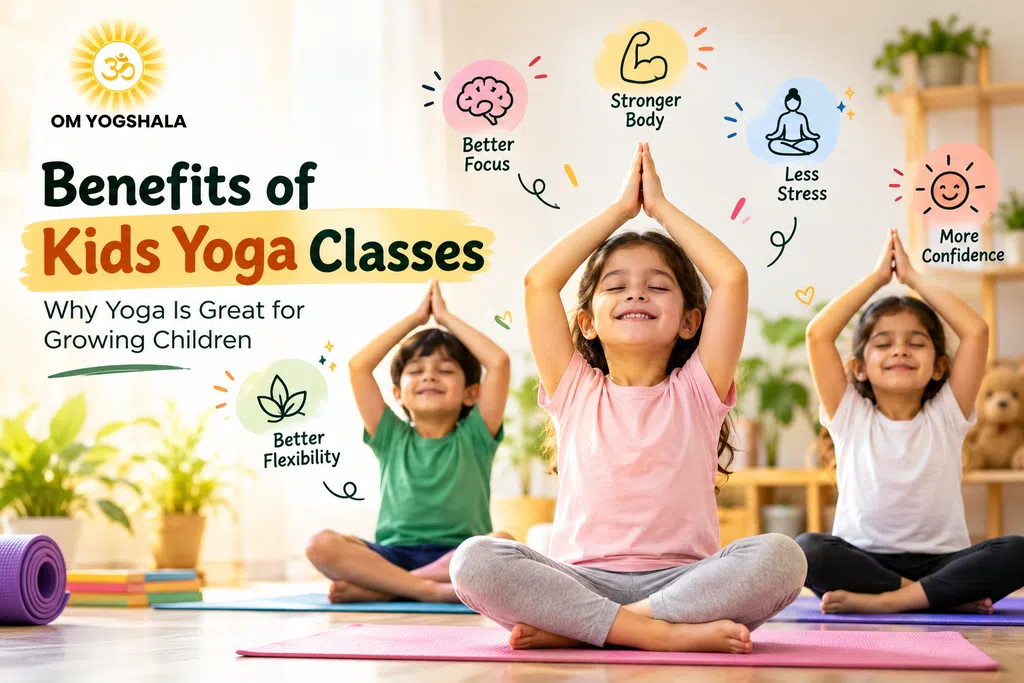
Kids today have a lot on their plates. School, homework, screens, sports, hobbies, and busy family schedules can leave little time to slow down.
Children need time to move, breathe, relax, and simply be themselves. Kids yoga classes offer a fun way to support all of these needs.
Yoga for children is not about perfect poses or long periods of silence. It is about helping children move their bodies, understand their breathing, and build healthy habits. Classes often use games, stories, music, and imagination to keep children engaged.
Whether your child is full of energy, a little shy, easily distracted, or in need of more physical activity, yoga can be a positive part of their routine.
Quick Summary
- Kids yoga combines play, movement, breathing, and relaxation.
- It may support flexibility, balance, focus, confidence, and emotional awareness.
- Choose age-appropriate, noncompetitive classes with a caring, qualified instructor.
What Are Kids Yoga Classes?
Kids yoga classes are designed to meet the needs of children at different ages and stages. Instructors choose poses and activities that suit a child’s physical development, attention span, and interests.
Unlike many adult yoga classes, children’s yoga is often playful and interactive. A class may include:
- Simple yoga poses
- Breathing exercises
- Movement games
- Balance activities
- Stories and imagination
- Relaxation exercises
- Mindfulness activities
The goal is not perfection. Children learn best when they can move, play, and explore. A good kids yoga class should feel enjoyable rather than like another school lesson.
10 Benefits of Kids Yoga Classes
1. Improves Flexibility and Strength
Children are always growing and changing. Regular movement helps them learn how their bodies work and feel.
Yoga encourages children to stretch, bend, balance, and move in new ways. Over time, this can support flexibility, strength, and coordination.
Simple poses such as Tree Pose, Cat-Cow, and Downward-Facing Dog can make movement fun. Children do not need to hold each pose for a long time. Even short activities can help them become more comfortable using their bodies.
2. Supports Balance and Coordination
Balance does not come easily to every child. Yoga gives children many chances to practice steady, controlled movement.
For example, Tree Pose asks children to stand tall while balancing on one foot. They must focus on their body position and make small adjustments to stay steady.
These activities can improve body awareness and coordination. They can also build confidence. When children master a pose that once felt hard, they learn that practice can lead to progress.
3. Helps Children Manage Stress
Children experience stress too. Schoolwork, tests, friendships, changes at home, and daily frustrations can all feel overwhelming.
Yoga introduces simple tools that can help children slow down. These tools include:
- Deep breathing
- Gentle movement
- Quiet pauses
- Stretching
- Relaxation exercises
A few slow breaths will not solve every problem. However, breathing gives children a healthy way to pause before they react. It can help them feel calmer and more prepared to handle a difficult moment. Parents looking for the same benefits for themselves can explore yoga for stress relief.
4. Builds Confidence and Self-Esteem
Yoga gives children a chance to try something new without the pressure to compete.
Some poses may feel easy, while others may take more practice. Each small success can help a child feel proud. They may begin to think, “I could not do this before, but now I can.”
This sense of progress can support confidence both in and outside the yoga class. Children also learn that mistakes are a normal part of learning.
5. Encourages Focus and Concentration
Many yoga activities ask children to listen, watch, and stay aware of what they are doing.
A child may need to follow a series of movements, balance in a pose, or focus on slow breathing. These short activities help children practice paying attention in a fun and active way.
Kids yoga does not expect children to sit still for long periods. Instead, it uses movement to help them stay involved and present.
6. Supports Emotional Awareness
Children can find it hard to explain how they feel. Yoga helps them pay attention to their bodies and emotions.
During a class, children may notice that their heart beats faster after movement or that their body feels calmer after deep breathing. Over time, they may become better at noticing when they feel worried, angry, excited, or tired.
This awareness can help children name their feelings and choose healthy ways to respond.
7. Encourages Better Relaxation and Sleep
A child’s day can be busy and stimulating. Calming yoga activities may help them slow down after school or before bedtime.
Gentle stretches, quiet breathing, and guided relaxation can create a peaceful transition from activity to rest. A short bedtime routine may help children learn that it is time to relax.
Yoga is not a replacement for good sleep habits. Still, it can be one helpful part of a calming evening routine.
8. Develops Body Awareness
Body awareness means understanding how the body moves and feels. Yoga helps children notice their posture, balance, muscles, and breathing.
This can help them move with more control. It may also help them recognize when they are tired, tense, or in need of a break.
Body awareness is useful during many activities, including sports, dance, playground games, and everyday movement.
9. Provides a Fun Form of Physical Activity
Some children enjoy team sports, while others may not feel comfortable in competitive settings. Yoga offers another way to stay active.
Children can stretch, bend, balance, and move at their own pace. They do not need special athletic skills to take part.
Because classes often include games and stories, yoga can feel more like play than exercise. This may help children develop a positive attitude toward movement.
10. Teaches Healthy Habits for Life
Yoga introduces skills that children can continue using as they grow. These skills include mindful breathing, regular movement, relaxation, and self-awareness.
Children may use a breathing exercise before a test, stretch after sitting for a long time, or take a quiet pause when they feel upset.
The habits learned in a kids yoga class can support physical and emotional wellbeing at many stages of life.
Which Children Can Benefit from Yoga?
Yoga can be helpful for many different types of children.
Energetic Children
Active children can use yoga to channel their energy through structured movement. Games and flowing poses give them a positive way to move while also practicing focus.
Shy or Nervous Children
A welcoming yoga class can give shy children a gentle way to participate. Activities do not need to be competitive, and children can often work at their own pace.
Breathing and relaxation exercises may also help children feel more settled in new situations. For many shy children, one-on-one home yoga classes feel more comfortable because they take place in a familiar space.
Children Who Find It Hard to Focus
Short, playful activities can help children practice concentration without expecting them to sit still for too long.
Balancing games, breathing exercises, and simple movement patterns can make focus feel more natural and enjoyable.
What to Look for in a Kids Yoga Class
Not every class will be the same. When choosing a program, look for one that offers the following qualities.
Age-Appropriate Activities
The poses and games should match the children’s ages and abilities. Younger children may enjoy songs and animal poses, while older children may be ready for longer breathing or relaxation exercises.
A Qualified, Caring Instructor
A good instructor should understand children and know how to make lessons safe, positive, and engaging. They should offer clear instructions and encourage children without pressure.
A Fun and Noncompetitive Atmosphere
Children should not feel that they must perform every pose perfectly. The focus should be on trying, learning, and enjoying the experience.
A Safe and Welcoming Space
The class should provide enough room for children to move safely. It should also feel friendly and supportive so children can participate with confidence.
OmYogshala’s certified trainers visit homes across Gurgaon, Noida, Faridabad, and Delhi, and online yoga classes are available if that suits your schedule better.
Frequently Asked Questions About Kids Yoga
Is yoga safe for children?
Yes, when it is age-appropriate and guided by a trained instructor. Sessions should be gentle, playful, and free of pressure to perform difficult poses.
What is the best age to start kids yoga?
There is no single best age. Younger children enjoy songs, animal poses, and breathing games, while older children can handle longer breathing and relaxation exercises.
Do children need special equipment for yoga?
No. A yoga mat, comfortable clothes, and a little open space are enough to begin.
Can yoga help my child focus better?
Yoga can help children practice paying attention through movement, breathing, and relaxation. It can support focus as part of a balanced routine, but it is not a treatment for any medical or attention-related condition.
Final Thoughts on Kids Yoga
Kids yoga classes offer much more than a chance to learn a few poses. They help children move, breathe, relax, and understand themselves better.
With regular practice, yoga may support flexibility, balance, focus, confidence, stress management, and emotional awareness. Most importantly, it gives children a fun way to build healthy habits.
Whether your child joins a local class or practices simple poses at home, yoga can become a positive and enjoyable part of growing up.
Ready to Start Kids Yoga?
OmYogshala offers personalized kids yoga sessions designed around your child’s age, comfort, and needs.
Explore Kids Yoga ClassesThis article is for general information and is not medical advice. Consult your child’s doctor if they have a health condition or concern.